

What is the impact of high altitude on a car air condition?
As a seasoned supplier in the car air conditioning industry, I've witnessed firsthand the various challenges and peculiarities that come with different operating environments. One such factor that significantly affects car air conditioners is altitude. In this blog, we'll delve into the science behind the impact of high altitude on car air conditioners, based on real - world experiences and scientific understanding.

The Basics of Car Air Conditioning Systems
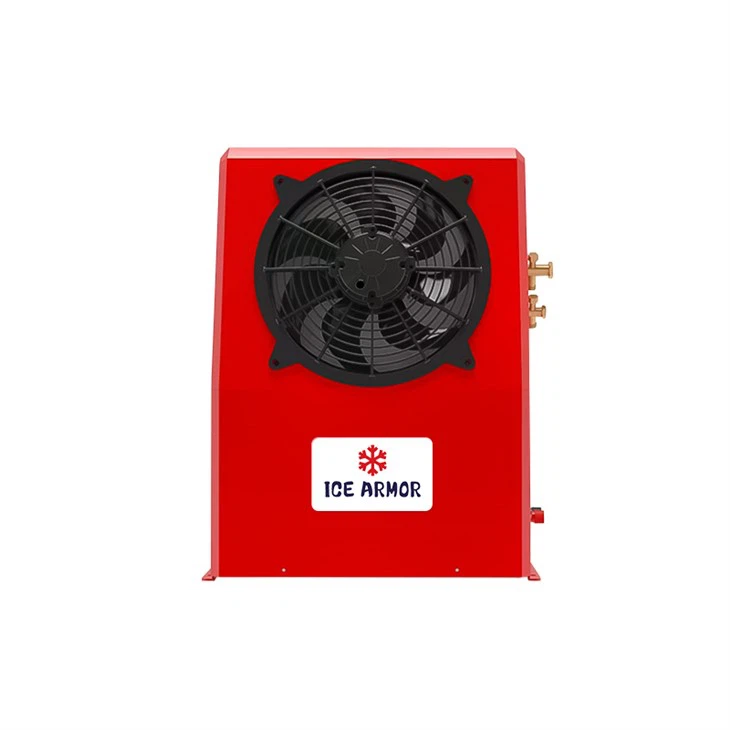
Before we explore the effects of high altitude, it's essential to understand how a car air conditioning system works. A typical car air conditioner consists of several key components: a compressor, condenser, evaporator, and expansion valve. The compressor is the heart of the system, responsible for pressurizing the refrigerant gas. The condenser then cools down the high - pressure gas, turning it into a liquid. The expansion valve reduces the pressure of this liquid refrigerant, and the evaporator absorbs heat from the car's interior, cooling the air that is then circulated back into the cabin.
How High Altitude Affects the Compressor
The compressor is perhaps the most affected component at high altitudes. At sea level, the air pressure is relatively high, which provides a stable environment for the compressor to operate. However, as altitude increases, the atmospheric pressure drops. The compressor relies on the pressure difference between the intake and the output to function effectively. With lower atmospheric pressure at high altitudes, the compressor has to work harder to compress the refrigerant. This increased workload can lead to several issues.
Firstly, the compressor may experience higher wear and tear. The extra effort required to compress the refrigerant can cause the internal components of the compressor to heat up more rapidly. Over time, this can lead to mechanical failures, such as worn - out pistons or damaged bearings. Secondly, the increased workload can also reduce the overall efficiency of the compressor. Since it has to use more energy to achieve the same level of compression, it consumes more power from the car's engine. This can result in decreased fuel efficiency for the vehicle.
Impact on the Condenser
The condenser is another crucial component that is affected by high altitude. Its main function is to release heat from the refrigerant to the outside air. At high altitudes, the air density is lower. The lower air density means that there are fewer air molecules available to absorb the heat from the condenser coils. As a result, the heat transfer process is less efficient.
When the condenser cannot release heat effectively, the refrigerant remains at a higher temperature. This hot refrigerant then enters the evaporator, reducing its ability to cool the air inside the car. The car's air conditioning system will struggle to achieve the desired cooling temperature, and the occupants may feel that the air blowing from the vents is not as cold as it should be.
Evaporator and Expansion Valve Issues
The evaporator's performance is also influenced by high altitude. At lower atmospheric pressures, the boiling point of the refrigerant decreases. The expansion valve is designed to control the flow of refrigerant into the evaporator based on the pressure and temperature conditions at normal altitudes. At high altitudes, the reduced boiling point of the refrigerant can cause it to evaporate too quickly in the evaporator.
This rapid evaporation can lead to a phenomenon called "frosting" on the evaporator coils. When the refrigerant evaporates too rapidly, it cools the evaporator coils to a very low temperature, causing moisture in the air to freeze on the coils. Frost on the evaporator coils acts as an insulator, further reducing the heat transfer efficiency and hindering the cooling capacity of the system.
Comparisons with Different Types of Car Air Conditioners
If you're considering different types of car air conditioners, it's important to understand how high altitude affects each type. For a Vehicle Air Conditioner, the issues mentioned above are generally applicable. The compact design of vehicle air conditioners may make them more susceptible to the effects of high altitude due to limited space for heat dissipation.
Rooftop Air Conditioner systems, on the other hand, are often used in larger vehicles such as buses or RVs. These systems have a larger surface area for heat exchange, which can help mitigate some of the heat transfer issues caused by low air density. However, the compressor in a rooftop air conditioner still has to work against the lower atmospheric pressure, so the increased workload and potential wear - and - tear problems remain.
RV Air Condition systems are designed for recreational vehicles. They need to balance between providing sufficient cooling and conserving energy. At high altitudes, the reduced efficiency of the air conditioning system can be a significant concern for RV owners, as they often rely on limited power sources such as batteries or generators.
Solutions and Considerations
If you're planning to drive at high altitudes, there are several steps you can take to ensure the optimal performance of your car air conditioner. Firstly, it's important to have your air conditioning system properly maintained. Regularly check the refrigerant levels, as the system may need a slight adjustment to compensate for the changes in pressure at high altitudes. Also, make sure that the compressor, condenser, and evaporator are clean and free from any debris that could further impede their performance.
Some advanced car air conditioning systems are designed to be more altitude - tolerant. These systems may have variable - speed compressors or advanced control algorithms that can adjust the operation of the system based on the ambient pressure and temperature. When purchasing a car air conditioner, especially if you frequently drive at high altitudes, it's worth considering these advanced models.
Contact for Purchase and Consultation
If you're in the market for a new car air conditioner or need advice on how to optimize your existing system for high - altitude driving, our team of experts is here to help. We offer a wide range of high - quality car air conditioning products, including Vehicle Air Conditioner, Rooftop Air Conditioner, and RV Air Condition. Contact us to discuss your specific needs and requirements, and let's work together to find the best solution for you.
References
- "Automotive Air Conditioning Systems" by David Crolla. This book provides in - depth knowledge about the design, operation, and maintenance of car air conditioning systems.
- Research papers from automotive engineering journals, which often contain studies on the performance of vehicle systems at different altitudes.


