

In the realm of automotive comfort, the car air conditioning system plays a pivotal role. It transforms the sweltering heat inside a vehicle into a cool and pleasant environment, making every journey enjoyable. Among the numerous components that make up this complex system, the condenser stands out as a crucial part. As a leading Car Air Condition supplier, we understand the significance of the condenser and its functions in great detail. In this blog post, we will delve into the functions of the condenser in a car air conditioner, exploring how it contributes to the overall performance of the system.
What is a Condenser in a Car Air Condition?
Before we discuss its functions, let's first understand what a condenser is. In a car air conditioning system, the condenser is a heat exchanger. It is typically located at the front of the vehicle, usually in front of the radiator. The condenser looks similar to a radiator and is designed to transfer heat from the refrigerant inside the air conditioning system to the ambient air outside the vehicle.
The Refrigeration Cycle and the Role of the Condenser
To fully grasp the function of the condenser, we need to understand the basic refrigeration cycle of a car air conditioning system. The refrigeration cycle consists of four main components: the compressor, the condenser, the expansion valve, and the evaporator. These components work together in a continuous loop to remove heat from the inside of the vehicle and expel it to the outside.
-
Compression Stage: The cycle begins with the compressor. The compressor is responsible for compressing the low-pressure, low-temperature refrigerant vapor into a high-pressure, high-temperature vapor. This high-pressure vapor then flows into the condenser.
-
Condensation Stage: Once the high-pressure, high-temperature refrigerant vapor enters the condenser, the condenser's primary function comes into play. The condenser cools the refrigerant vapor, causing it to condense into a high-pressure, high-temperature liquid. This phase change from vapor to liquid releases a significant amount of heat. The heat is transferred from the refrigerant to the ambient air passing through the condenser fins. The condenser fins increase the surface area of the condenser, allowing for more efficient heat transfer. As the refrigerant cools and condenses, it loses its heat energy, and its temperature drops.
-
Expansion Stage: After leaving the condenser as a high-pressure liquid, the refrigerant passes through the expansion valve. The expansion valve reduces the pressure of the refrigerant, causing it to expand and turn into a low-pressure, low-temperature mixture of liquid and vapor.
-
Evaporation Stage: The low-pressure, low-temperature refrigerant then enters the evaporator, which is located inside the vehicle. As warm air from the cabin passes over the evaporator coils, the refrigerant absorbs the heat from the air, causing it to evaporate back into a low-pressure vapor. This process cools the air inside the vehicle, which is then blown back into the cabin by the blower motor.
The refrigerant, now in a low-pressure vapor state, returns to the compressor to start the cycle again.
Key Functions of the Condenser
-
Heat Dissipation: The most important function of the condenser is to dissipate heat. As mentioned earlier, the high-pressure, high-temperature refrigerant vapor from the compressor contains a large amount of heat energy. The condenser transfers this heat to the outside air, allowing the refrigerant to condense into a liquid. Without proper heat dissipation, the refrigerant would not be able to change from a vapor to a liquid, and the air conditioning system would not be able to function effectively.
-
Pressure Regulation: The condenser also helps in regulating the pressure within the air conditioning system. By condensing the refrigerant vapor into a liquid, the condenser reduces the volume of the refrigerant, which in turn helps to maintain the appropriate pressure levels in the system. If the pressure in the system becomes too high, it can cause damage to the compressor and other components. The condenser plays a crucial role in preventing this by ensuring that the refrigerant is properly condensed and the pressure is kept within the safe operating range.
-
Enhancing System Efficiency: A well-functioning condenser can significantly enhance the efficiency of the car air conditioning system. When the condenser is able to dissipate heat effectively, the compressor does not have to work as hard to maintain the desired temperature. This reduces energy consumption and wear and tear on the compressor, leading to lower operating costs and a longer lifespan for the air conditioning system.
Impact of a Faulty Condenser
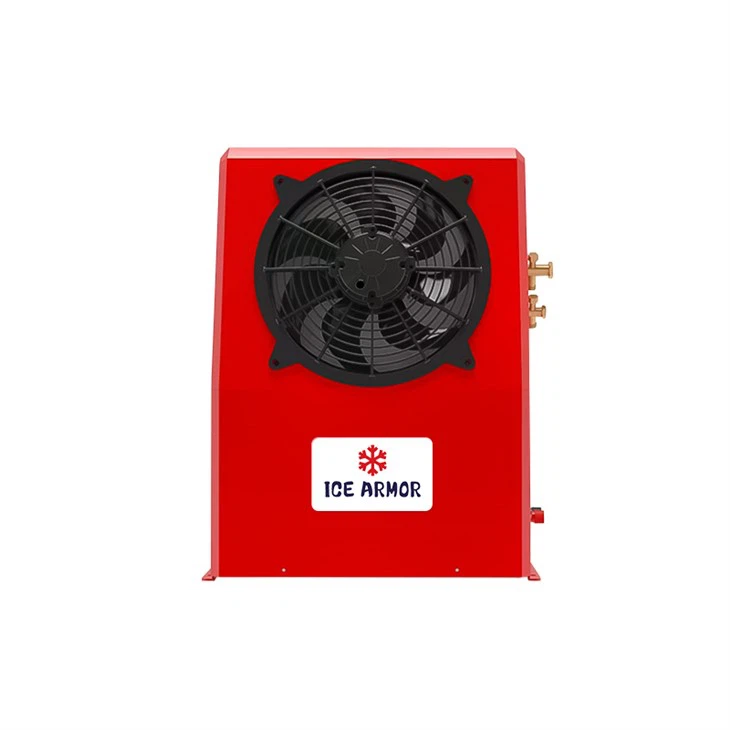
A faulty condenser can have a significant impact on the performance of the car air conditioning system. If the condenser is dirty, blocked, or damaged, it may not be able to transfer heat efficiently. This can lead to several problems, including:

-
Reduced Cooling Performance: If the condenser cannot dissipate heat effectively, the refrigerant will not condense properly, and the air conditioning system will not be able to cool the air inside the vehicle as efficiently. This can result in warm air blowing from the vents, even when the air conditioning system is turned on.
-
Increased Compressor Load: When the condenser is not working properly, the compressor has to work harder to maintain the desired pressure and temperature in the system. This can lead to increased energy consumption and premature wear and tear on the compressor, which may eventually result in compressor failure.
-
System Overheating: A faulty condenser can also cause the air conditioning system to overheat. This can lead to damage to other components in the system, such as the refrigerant lines and the expansion valve. In severe cases, it can even cause the entire air conditioning system to fail.
Maintenance of the Condenser
To ensure the proper functioning of the condenser and the overall efficiency of the car air conditioning system, regular maintenance is essential. Here are some maintenance tips:
-
Keep the Condenser Clean: The condenser fins can easily get clogged with dirt, debris, and insects. This can reduce the airflow through the condenser and impede its ability to dissipate heat. Regularly cleaning the condenser with a soft brush or compressed air can help to prevent this.
-
Check for Leaks: Refrigerant leaks can also affect the performance of the condenser and the entire air conditioning system. Periodically check the condenser and the refrigerant lines for signs of leaks, such as oil stains or a hissing sound. If a leak is detected, it should be repaired immediately.
-
Inspect for Damage: The condenser can be damaged by road debris, stones, or other objects. Regularly inspect the condenser for any signs of physical damage, such as bent fins or cracks. If damage is found, the condenser may need to be repaired or replaced.
Our Product Portfolio
As a leading Car Air Condition supplier, we offer a wide range of air conditioning products to meet the diverse needs of our customers. Our product portfolio includes Rooftop Air Conditioners, RV Air Conditioners, and Car Air Conditioners. All our products are designed and manufactured to the highest standards of quality and performance, ensuring reliable and efficient operation.
Contact Us for Procurement
We understand the importance of a reliable and efficient car air conditioning system. Whether you are an automotive manufacturer, a repair shop, or an individual looking to replace your car air conditioner, we are here to help. Our team of experts can provide you with the best advice and solutions based on your specific requirements.
If you are interested in purchasing our car air conditioning products or have any questions about our condenser technology, please feel free to contact us for procurement discussions. We look forward to working with you to provide the best car air conditioning solutions.
References
- "Automotive Air Conditioning Systems" by Larry Erickson.
- "The Basics of Refrigeration" by the Air-Conditioning, Heating, and Refrigeration Institute.
- "Understanding Car Air Conditioning" by Rick Muscoplat.


