

Hey there, fellow RV enthusiasts! As a supplier of RV Air Condition, I've seen a lot of questions floating around about the differences between rooftop and portable RV air conditioners. So, I thought I'd take a stab at breaking it down for you in a way that's easy to understand.
Installation and Setup
Let's start with the installation process. A rooftop air conditioner is, well, installed on the roof of your RV. This means it requires a more permanent setup. You'll need to cut a hole in your RV's roof, which can be a bit of a daunting task if you're not handy. But once it's in, it's out of the way and doesn't take up any interior space.
On the other hand, a portable RV air conditioner is super easy to set up. You just roll it into your RV, plug it in, and connect the exhaust hose to a window or vent. No need to drill holes or make any permanent modifications to your RV. This makes it a great option for those who don't want to mess with the installation process or who are renting an RV.
Cooling Capacity
When it comes to cooling your RV, the cooling capacity is a crucial factor. Rooftop air conditioners are generally more powerful than portable ones. They're designed to cool larger spaces, so if you have a big RV, a rooftop unit might be your best bet. These units typically have a higher BTU (British Thermal Unit) rating, which means they can remove more heat from the air in a given amount of time.
Portable air conditioners, while not as powerful as rooftop units, can still do a decent job of cooling smaller RVs. They're perfect for pop-up campers or smaller travel trailers. However, if you're in a hot climate or have a large RV, you might find that a portable unit struggles to keep up.
Energy Efficiency
Energy efficiency is another important consideration, especially if you're boondocking or trying to save on electricity costs. Rooftop air conditioners are usually more energy-efficient than portable ones. This is because they're designed specifically for RVs and are built to work with the vehicle's electrical system. They also have better insulation and sealing, which helps to keep the cool air inside and the hot air out.
Portable air conditioners, on the other hand, can be a bit of an energy hog. They require a lot of power to run, and if you're using them on a generator, you might find that your generator runs out of fuel quickly. However, some newer models of portable air conditioners are becoming more energy-efficient, so it's worth doing your research before you buy.
Noise Level
Nobody wants to be kept awake at night by a noisy air conditioner. Rooftop air conditioners are generally quieter than portable ones. Since they're installed on the roof, the noise is mostly muffled by the RV's structure. This means you can enjoy a peaceful night's sleep without being disturbed by the constant hum of the air conditioner.
Portable air conditioners, on the other hand, can be quite noisy. The compressor and fan can make a lot of racket, especially if the unit is running at full capacity. If you're a light sleeper, this might be a deal-breaker for you.
Mobility and Flexibility
One of the biggest advantages of a portable air conditioner is its mobility. You can easily move it from one RV to another or even use it in your home if you need to. This makes it a great option for those who like to switch up their camping setup or who want to use the air conditioner in multiple locations.
Rooftop air conditioners, on the other hand, are more permanent. Once they're installed, they're not easy to move. This means you're stuck with the unit for as long as you own the RV. However, if you're happy with the cooling performance and don't plan on changing RVs anytime soon, this might not be a problem for you.
Cost
Cost is always a factor when making a purchase. Rooftop air conditioners are generally more expensive than portable ones. This is because they're more powerful, more energy-efficient, and require a more complex installation process. However, they also tend to last longer and provide better cooling performance, so you might get more bang for your buck in the long run.
Portable air conditioners are more affordable upfront. They're a great option for those on a budget or who don't want to spend a lot of money on an air conditioner. However, you might end up spending more on electricity costs over time, especially if you're using the unit frequently.
Maintenance
Maintenance is another aspect to consider. Rooftop air conditioners require a bit more maintenance than portable ones. You'll need to clean the filters regularly and make sure the unit is properly sealed to prevent leaks. You might also need to have the unit serviced by a professional every few years to keep it running smoothly.
Portable air conditioners are relatively low-maintenance. You just need to clean the filters and empty the water tank regularly. This makes them a great option for those who don't want to spend a lot of time on maintenance.
Which One Should You Choose?
So, which type of air conditioner is right for you? Well, it depends on your specific needs and preferences. If you have a large RV, want a powerful cooling system, and don't mind the installation process, a rooftop air conditioner might be the way to go. On the other hand, if you have a small RV, want a portable and easy-to-set-up option, and don't need a lot of cooling power, a portable air conditioner might be a better choice.
As a supplier of RV Air Condition, I'm here to help you make the right decision. Whether you're looking for a rooftop unit or a portable one, I can provide you with the information and products you need to keep your RV cool and comfortable.
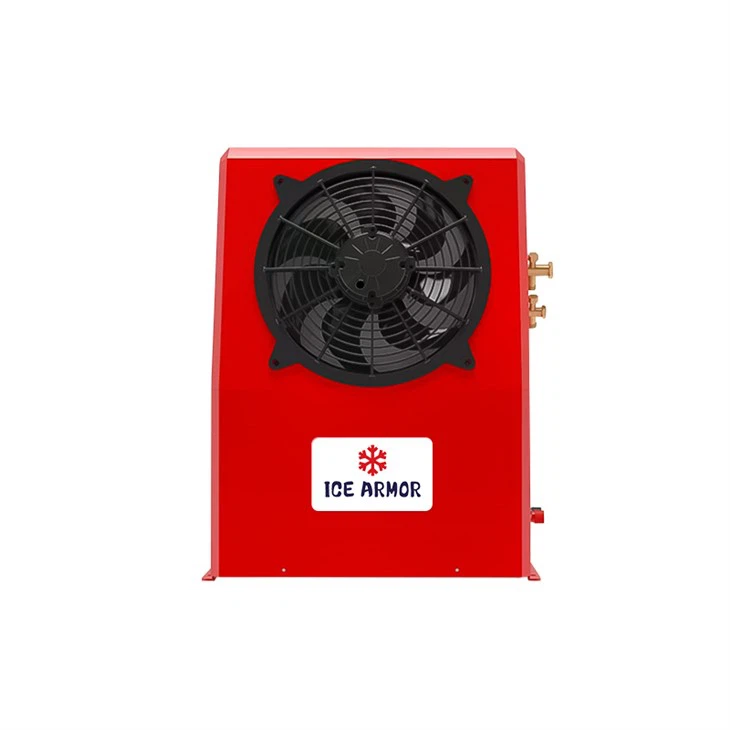

If you're interested in learning more about our RV air conditioners or have any questions, feel free to reach out. We're always happy to chat and help you find the perfect air conditioner for your RV. Let's start a conversation and get you on the road to a cooler, more comfortable camping experience!
References
- "RV Air Conditioning Systems: A Comprehensive Guide." RV Travel, 2023.
- "Portable vs. Rooftop RV Air Conditioners: Which is Best?" Camper Report, 2023.
- "How to Choose the Right RV Air Conditioner." The Balance, 2023.


