

As a supplier of RV Air Condition units, I've had the privilege of witnessing the evolution of these essential appliances firsthand. Over the years, the market has seen a significant shift towards high - efficiency models, and customers often inquire about the differences between high - efficiency and standard RV air conditioners. In this blog, I'll delve into the key distinctions to help you make an informed decision when it comes to purchasing an air conditioner for your recreational vehicle.
Energy Consumption
One of the most significant differences between high - efficiency and standard RV air conditioners lies in their energy consumption. Standard RV air conditioners typically consume a large amount of electricity. They are designed to provide a basic level of cooling but often do so at the expense of high power usage. This can be a major drawback, especially for RV owners who rely on limited power sources such as generators or battery systems.
On the other hand, high - efficiency RV air conditioners are engineered to use less energy while still delivering comparable or even better cooling performance. These units often incorporate advanced technologies such as variable - speed compressors and energy - efficient fans. Variable - speed compressors can adjust their speed according to the cooling demand, which means they don't have to run at full capacity all the time. This results in significant energy savings over time. For instance, a high - efficiency RV air conditioner might use up to 30% less electricity than a standard model under similar operating conditions. This not only reduces your carbon footprint but also saves you money on fuel or electricity costs, especially during long trips or extended stays in off - grid locations.
Cooling Performance
While both high - efficiency and standard RV air conditioners are designed to cool the interior of an RV, there are some differences in their cooling performance. Standard air conditioners usually have a fixed - speed compressor, which means they operate at a constant rate. When the thermostat senses that the temperature has reached the set point, the compressor shuts off completely. When the temperature rises again, the compressor kicks back on at full power. This on - off cycling can lead to temperature fluctuations inside the RV, creating an uneven cooling experience.
High - efficiency RV air conditioners, with their variable - speed compressors, can maintain a more consistent temperature. They can adjust the cooling output based on the actual temperature and humidity levels in the RV. This results in a more comfortable environment inside the vehicle, as there are fewer temperature swings. Additionally, high - efficiency models often have better air distribution systems. They are equipped with more advanced fans and vents that can circulate the cooled air more effectively throughout the RV, ensuring that every corner of the vehicle stays cool.
Noise Level
Noise can be a major concern for RV owners, especially when trying to relax or sleep inside the vehicle. Standard RV air conditioners tend to be noisier than their high - efficiency counterparts. The fixed - speed compressors in standard models operate at a high, constant speed, which generates a significant amount of noise. Every time the compressor turns on and off, it can create a loud, disruptive sound that can be annoying for those inside the RV.
High - efficiency RV air conditioners, however, are designed with noise reduction in mind. The variable - speed compressors operate at lower speeds most of the time, which produces less noise. Additionally, these units often have better insulation and sound - dampening materials to further reduce the noise level. Some high - efficiency models are so quiet that you can barely notice they are running, allowing you to enjoy a peaceful and quiet environment inside your RV.
Cost
When it comes to the initial purchase cost, high - efficiency RV air conditioners are generally more expensive than standard models. The advanced technologies and components used in high - efficiency units, such as variable - speed compressors and energy - efficient fans, contribute to the higher price tag. However, it's important to consider the long - term savings. As mentioned earlier, high - efficiency models consume less energy, which can result in significant cost savings over time.

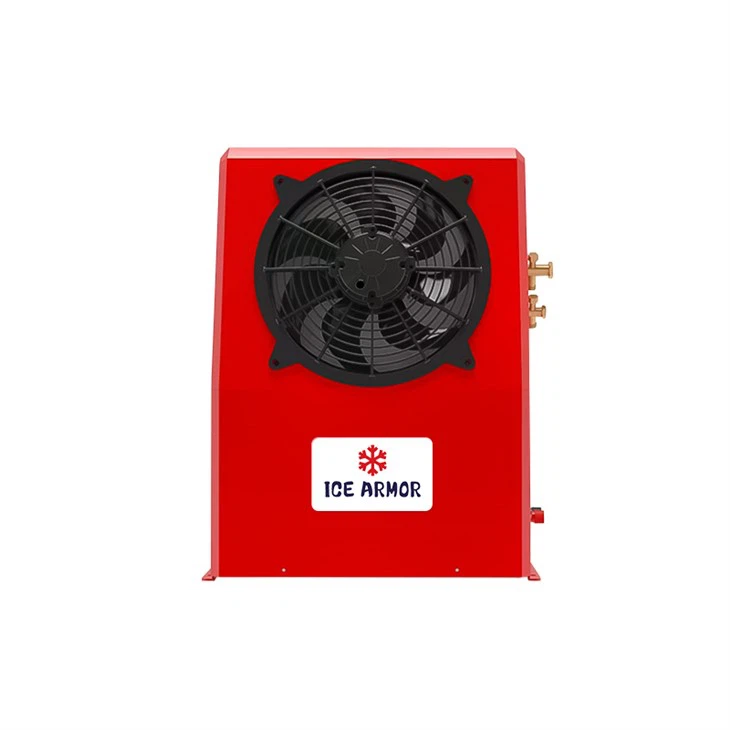
In addition to energy savings, high - efficiency RV air conditioners may also have a longer lifespan. They are built with higher - quality components and are designed to operate more efficiently, which means they are less likely to break down. This can save you money on maintenance and repair costs in the long run. So, while the upfront cost of a high - efficiency RV air conditioner may be higher, the overall cost of ownership can be lower compared to a standard model.
Size and Installation
The size and installation requirements of high - efficiency and standard RV air conditioners can also vary. Standard models are often larger and heavier, which can be a consideration if you have limited space on your RV's roof or if you are concerned about the weight distribution of your vehicle. Installing a standard RV air conditioner may require more complex installation procedures, especially if you need to modify the roof of your RV to accommodate the unit.
High - efficiency RV air conditioners, on the other hand, are often more compact and lightweight. They are designed to be more space - efficient, which makes them a great option for smaller RVs or for those who want to minimize the impact on the vehicle's weight. Installation of high - efficiency models is usually simpler and quicker, as they are often designed to fit standard roof cut - outs. This can save you time and money on installation costs.
Environmental Impact
In today's environmentally conscious world, the environmental impact of our appliances is an important consideration. Standard RV air conditioners typically use refrigerants that have a higher global warming potential (GWP). These refrigerants can contribute to climate change when they are released into the atmosphere, either through leaks or at the end of the unit's lifespan.
High - efficiency RV air conditioners are more likely to use environmentally friendly refrigerants with a lower GWP. This reduces their impact on the environment. Additionally, as high - efficiency models consume less energy, they also reduce the overall carbon emissions associated with their operation. By choosing a high - efficiency RV air conditioner, you can do your part to protect the environment while still enjoying a comfortable cooling experience in your RV.
In conclusion, the differences between high - efficiency and standard RV air conditioners are significant. High - efficiency models offer numerous advantages, including lower energy consumption, better cooling performance, quieter operation, and a reduced environmental impact. While they may have a higher upfront cost, the long - term savings and benefits make them a worthwhile investment.
If you're in the market for an RV air conditioner, whether it's a Vehicle Air Conditioner, Rooftop Air Conditioner, or RV Air Condition, I encourage you to consider a high - efficiency model. Our company offers a wide range of high - quality RV air conditioners to meet your needs. If you have any questions or would like to discuss your specific requirements, please don't hesitate to contact us for a purchase negotiation.
References
- "RV Air Conditioning Systems: A Comprehensive Guide", RV Industry Association
- "Energy - Efficient Appliances for Recreational Vehicles", U.S. Department of Energy
- "The Impact of Refrigerants on the Environment", Environmental Protection Agency


