

As a supplier of RV air conditioners, I've witnessed firsthand the growing trend of solar - powered technology in the RV industry. Solar - powered RV air conditioners present an exciting opportunity for a more sustainable and off - grid camping experience. However, they also come with a unique set of challenges that both consumers and suppliers need to be aware of.
Power Generation and Capacity
One of the most significant challenges of using solar - powered RV air conditioners is the power generation and capacity. Air conditioners are energy - hungry appliances. A typical RV air conditioner can consume anywhere from 1000 to 1500 watts of power when running. Solar panels, on the other hand, have limited power output. The power output of a solar panel depends on several factors such as its size, efficiency, the amount of sunlight it receives, and the angle of the sun.
For instance, a standard 100 - watt solar panel in ideal sunlight conditions (full sun, clear sky) can generate around 100 watts of power per hour. To meet the power demands of an RV air conditioner, you would need a large number of solar panels. Even if you manage to install enough panels, the power generation is highly weather - dependent. On cloudy days or during the night, the power output from the solar panels drops significantly, or even stops completely. This means that the air conditioner may not be able to run at full capacity or may not run at all, leaving the RV occupants uncomfortable.
To address this, some RV owners use a combination of solar panels and a battery bank. The battery bank stores the excess energy generated by the solar panels during the day and provides power to the air conditioner when the solar panels are not producing enough energy. However, this adds to the cost and complexity of the system.
Cost and Affordability
Solar - powered RV air conditioners are generally more expensive than their traditional counterparts. The cost includes not only the air conditioner unit itself but also the solar panels, battery bank, charge controller, and installation. The initial investment can be quite high, which may deter some potential buyers.
For example, a high - quality solar - powered RV air conditioner system can cost several thousand dollars more than a standard electric - powered air conditioner. The long - term savings on energy bills may offset the initial cost, but it can take several years to achieve a break - even point. This cost challenge is not only faced by consumers but also affects the market penetration of these products. As a supplier, we need to find ways to make solar - powered RV air conditioners more affordable without compromising on quality.
Space and Installation
Another challenge is the space required for installing the solar panels. RVs have limited roof space, and installing a sufficient number of solar panels to power an air conditioner can be a challenge. In addition to the physical space, the installation also needs to be done carefully to ensure that the panels are properly angled to receive the maximum amount of sunlight. Incorrect installation can lead to reduced power output.
Moreover, the installation of a solar - powered air conditioner system is more complex than a traditional air conditioner. It requires knowledge of electrical systems, solar technology, and proper wiring. Many RV owners may not have the skills or tools to install the system themselves and may need to hire a professional installer, which adds to the overall cost.
Compatibility and Integration
Solar - powered RV air conditioners need to be compatible with other components of the RV's electrical system. This includes the battery bank, charge controller, and inverter. Incompatibility issues can lead to system failures, reduced performance, or even damage to the equipment.
For example, if the air conditioner is not compatible with the inverter, it may not receive the correct voltage and frequency, which can cause it to malfunction. As a supplier, we need to ensure that our products are compatible with a wide range of RV electrical systems and provide clear instructions and support to customers regarding integration.
Performance and Efficiency in Different Environments
The performance of solar - powered RV air conditioners can vary greatly depending on the environment. In extremely hot climates, the air conditioner needs to work harder to cool the RV, which means it consumes more power. At the same time, high temperatures can also reduce the efficiency of the solar panels.
In cold climates, although the air conditioner may not be used as frequently, the solar panels may be covered with snow or ice, reducing their power output. Additionally, in high - altitude or coastal areas, factors such as strong winds and saltwater corrosion can also affect the performance and lifespan of the solar panels and the air conditioner unit.
Maintenance and Durability
Solar - powered RV air conditioners require regular maintenance to ensure optimal performance. The solar panels need to be cleaned regularly to remove dirt, dust, and debris, which can block sunlight and reduce power output. The battery bank also needs to be maintained, including checking the water level (for lead - acid batteries) and ensuring proper charging and discharging.
The air conditioner unit itself also needs to be serviced regularly, just like any other air conditioner. Filters need to be replaced, and the refrigerant levels need to be checked. The durability of the components is also a concern. Solar panels are exposed to the elements, and over time, they can be damaged by hail, strong winds, or UV radiation.
Market Awareness and Education
As a supplier, we face the challenge of market awareness and education. Many RV owners are not fully aware of the benefits and limitations of solar - powered RV air conditioners. They may have misconceptions about the technology, such as thinking that it is not reliable or that it is too expensive.
We need to invest in marketing and education campaigns to inform potential customers about the advantages of solar - powered RV air conditioners, such as reduced energy costs, environmental friendliness, and the ability to camp off - grid. We also need to address their concerns and provide accurate information about the challenges and how to overcome them.
Conclusion
Despite these challenges, the future of solar - powered RV air conditioners looks promising. As technology continues to improve, we can expect to see more efficient solar panels, better - performing battery banks, and more cost - effective systems. At [Our Company], we are committed to providing high - quality RV Air Condition products that address these challenges and offer a more sustainable and comfortable RV experience. Whether you need a Rooftop Air Conditioner or a Car Air Condition, we have the expertise and solutions to meet your needs.
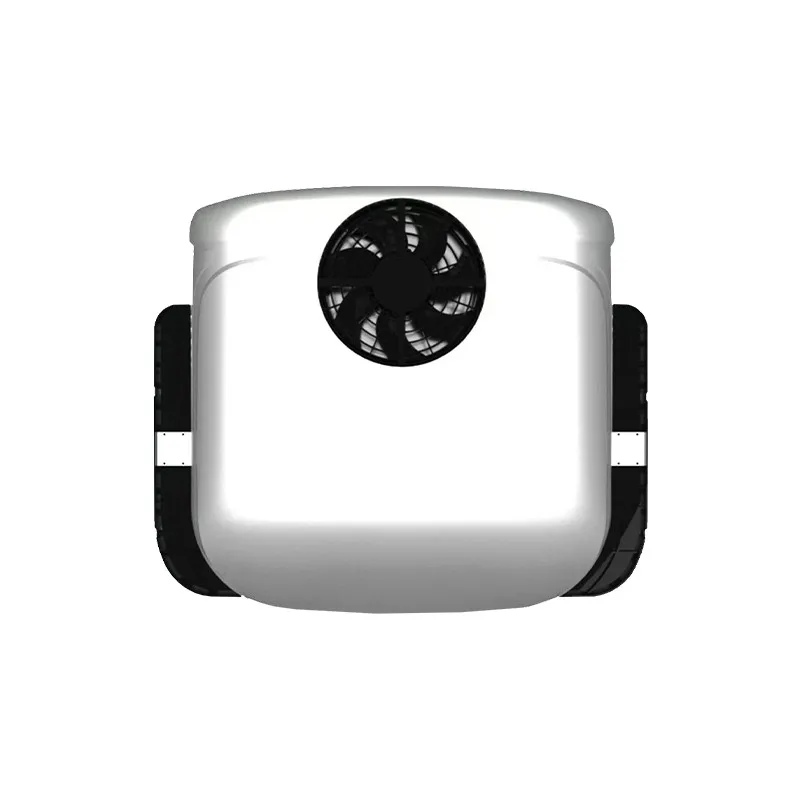

If you are interested in purchasing solar - powered RV air conditioners for your fleet or personal use, we invite you to contact us for a detailed discussion. We can provide you with customized solutions based on your specific requirements and budget. Our team of experts is ready to assist you in every step of the process, from product selection to installation and after - sales service.
References
- Hollick, K. (2019). Renewable Energy Systems for Recreational Vehicles. Green Energy Press.
- Smith, J. (2020). The Handbook of RV Electrical Systems. Electrical Publishing.
- Thompson, R. (2021). Air Conditioning Technology for Recreational Vehicles. HVAC Books.


