

Hey there, car enthusiasts! As a long - time supplier of all kinds of car air conditioners, like RV Air Condition, Vehicle Air Conditioner, and Rooftop Air Conditioner, I've had my fair share of conversations about the ins and outs of these cooling systems. One question that keeps popping up is: "Is it safe to drive with a malfunctioning car air condition?" Let's dig into this topic and find out the answer.
First off, let's understand what a "malfunctioning" air conditioner can mean. A car's AC system is a complex setup. It can face issues like refrigerant leaks, compressor problems, or blocked condensers. These problems can lead to various symptoms, from reduced cooling efficiency to strange noises coming from the vents.
The Comfort Factor
When your car AC isn't working right, it's pretty obvious that your comfort level takes a nosedive. On a sweltering summer day, the inside of your car can turn into an oven without proper cooling. High temperatures can make you feel uncomfortable, and that discomfort can quickly turn into distraction. You might start fidgeting around, trying to find a cooler spot in the car, or constantly adjusting the vents in a vain attempt to get some relief. This kind of distraction can be dangerous on the road. You're supposed to have your full attention on driving, but when you're baking in your seat, it's hard to stay focused.
The Health Risks
Beyond just being uncomfortable, driving in a hot car can have serious health implications. Prolonged exposure to high temperatures can lead to heat exhaustion or even heatstroke. Symptoms of heat exhaustion include heavy sweating, weakness, dizziness, and nausea. If you experience these while driving, it's extremely dangerous. Your reaction times can slow down, and your judgment can become impaired. You might not be able to brake as quickly in an emergency or make the right decisions when navigating traffic.
In addition, a malfunctioning AC can sometimes be a breeding ground for mold and bacteria. If there's a blockage in the system or moisture is accumulating due to a refrigerant leak, these microorganisms can grow inside the AC ducts. When you turn on the fan, they're blown into the car cabin, and you end up breathing them in. Breathing in mold and bacteria can cause respiratory problems, allergies, and other health issues. And again, if you're feeling sick or having trouble breathing while driving, it's not safe.
The Mechanical Risks
Let's talk about the potential mechanical problems that can arise if you keep driving with a malfunctioning AC. Sometimes, the problem with the AC is just the tip of the iceberg. For example, a failing compressor can be a sign of a bigger issue with the engine's belt system. If the compressor seizes up while you're driving, it can cause the drive belt to snap. When that happens, other components that rely on the belt, like the alternator and water pump, can stop working. No alternator means your battery won't charge, and no water pump means your engine can overheat. An overheated engine can lead to major damage, like a cracked engine block, which is a really expensive repair.
Situations Where It Might Be "Safe"
There are some situations where driving with a malfunctioning AC might not be as big of a deal. If it's a mild day, say in the spring or fall when the outside temperature is around 60 - 70°F (15 - 21°C), the lack of AC probably won't affect your comfort or health too much. Also, if the problem with the AC is just a minor one, like a slightly clogged air filter that's reducing the airflow a bit but not causing any other issues, you might be able to get away with driving for a short distance.
But even in these cases, it's important to remember that the problem isn't going to fix itself. A minor issue can quickly turn into a major one if you ignore it. So, it's still a good idea to get your AC checked out as soon as possible.
What to Do If Your AC Malfunctions
If you notice that your car AC isn't working properly, the first thing you should do is assess the situation. How severe is the problem? If it's just not cooling as well as it used to, you might be able to manage for a short while. But if there are strange noises, a funny smell coming from the vents, or the AC suddenly stops working completely, it's best to pull over and call a mechanic.
Some simple checks you can do yourself are looking for visible signs of leaks under the car, near the AC condenser. If you see a puddle of clear or colored fluid, it could be a refrigerant leak. You can also check the air filter. If it's dirty, you might be able to clean or replace it yourself.
Why You Should Fix Your AC
Fixing your car AC isn't just about making your drive more comfortable. It's also about safety and the long - term health of your vehicle. A well - functioning AC can actually help your engine run more efficiently. When the AC is working right, it has less of an impact on the engine's power output. This means your engine doesn't have to work as hard, which can save you on fuel costs in the long run.
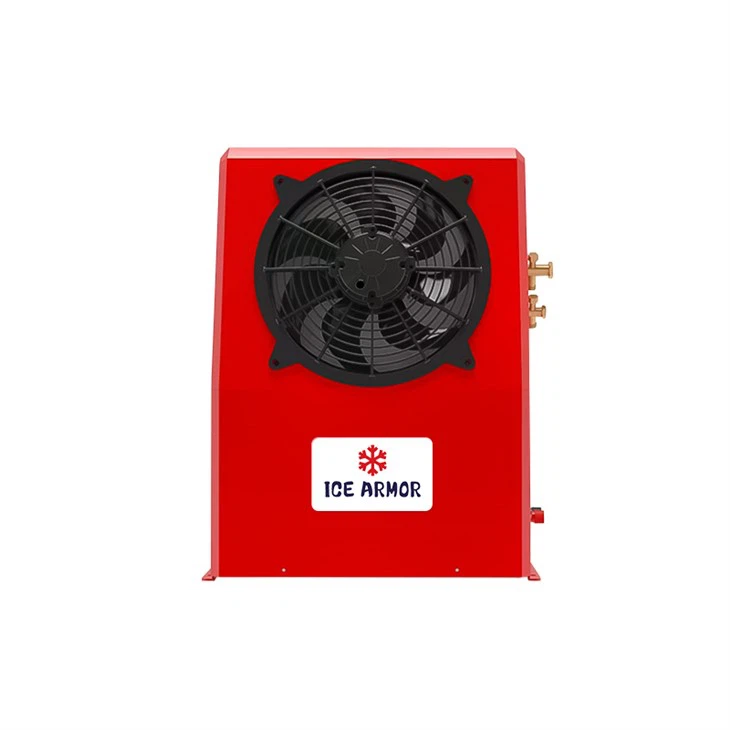

And as we've already discussed, a properly working AC helps keep you healthy and focused on the road. It prevents the growth of harmful microorganisms and keeps the temperature inside the car at a comfortable level.
Contact Us for Your Car AC Needs
As a supplier of top - quality car air conditioners, whether it's an RV Air Condition, Vehicle Air Conditioner, or Rooftop Air Conditioner, we're here to help you with all your car AC requirements. Whether you need a replacement unit, parts for a repair, or just some advice on how to maintain your AC system, we've got you covered. Don't hesitate to reach out and start a conversation about your car's AC needs. Let's work together to keep you cool and safe on the road.
References
- Chilton's Auto Repair Manuals
- Haynes Automotive Manuals
- YourMechanic.com - Articles on car air conditioning systems


