

As a seasoned provider in the Car Air Condition industry, I often receive inquiries from vehicle owners about the amount of refrigerant their car air conditioners need. This is a crucial question as the correct refrigerant level is essential for the optimal performance and longevity of the air conditioning system. In this blog, I'll delve into the factors that determine the refrigerant quantity, how to identify if your system is low on refrigerant, and provide some general guidelines to help you understand this complex topic.
Understanding Refrigerant in Car Air Conditioners
Refrigerant is the lifeblood of any air conditioning system, including those in cars. It is a special fluid that circulates through the system, absorbing heat from the cabin and releasing it outside. The most common refrigerant used in modern car air conditioners is R-134a, although newer vehicles may use the more environmentally friendly R-1234yf.
The primary function of the refrigerant is to change from a low-pressure gas to a high-pressure liquid and back again. This phase change allows it to absorb and release heat efficiently. When the refrigerant is in its gaseous state, it absorbs heat from the air inside the car. As it is compressed into a liquid, it releases this heat to the outside environment. This continuous cycle is what cools the air inside the vehicle.
Factors Affecting Refrigerant Quantity
The amount of refrigerant required for a car air conditioner can vary significantly depending on several factors:
Vehicle Make and Model
Different car manufacturers design their air conditioning systems with varying capacities. Larger vehicles, such as SUVs and trucks, typically have larger air conditioning systems and therefore require more refrigerant than smaller cars. For example, a compact car may need around 1 - 2 pounds (0.45 - 0.9 kg) of refrigerant, while a full - size SUV could require 2 - 3 pounds (0.9 - 1.36 kg).
System Design
The design of the air conditioning system itself plays a crucial role. Some systems are more efficient and may require less refrigerant to achieve the same cooling effect. Additionally, the number of components in the system, such as the size of the condenser, evaporator, and compressor, can influence the refrigerant capacity. A more complex system with larger components will generally need more refrigerant.
Climate Conditions
The climate in which the vehicle is primarily used can also affect the refrigerant requirements. In hot and humid climates, the air conditioning system has to work harder to cool the air, which may require a slightly higher refrigerant charge to maintain optimal performance. On the other hand, in milder climates, the system may not need as much refrigerant.
Identifying Low Refrigerant Levels
It's important to be able to recognize the signs of low refrigerant in your car air conditioner. Here are some common indicators:
Reduced Cooling Performance
One of the most obvious signs is when the air coming out of the vents is not as cold as it used to be. This is because there isn't enough refrigerant to absorb and transfer the heat effectively. You may also notice that it takes longer for the cabin to cool down.
Strange Noises
If you hear hissing or bubbling sounds coming from the air conditioning system, it could be a sign of a refrigerant leak. When the refrigerant level is low, the compressor may start to make unusual noises as it tries to operate with insufficient fluid.
Frost or Ice on the Evaporator
In some cases, you may notice frost or ice forming on the evaporator coils. This can happen when the refrigerant level is too low, causing the evaporator to become too cold and freeze the moisture in the air.
General Guidelines for Refrigerant Quantity
While the exact amount of refrigerant your car air conditioner needs can only be determined by referring to the vehicle's manual or consulting a professional, here are some general guidelines:
- Check the Vehicle Manual: The first step is to look in your car's owner's manual. It should provide specific information about the refrigerant type and the recommended charge amount for your vehicle's air conditioning system.
- Professional Inspection: If you're unsure, it's always best to have a professional technician inspect your air conditioning system. They can use specialized tools to measure the refrigerant level accurately and determine if there are any leaks.
Our Offerings in the Car Air Condition Market
As a leading Car Air Condition supplier, we offer a wide range of products to meet the diverse needs of our customers. Whether you're looking for a replacement air conditioning unit for your car or need to stock up on refrigerant, we've got you covered.
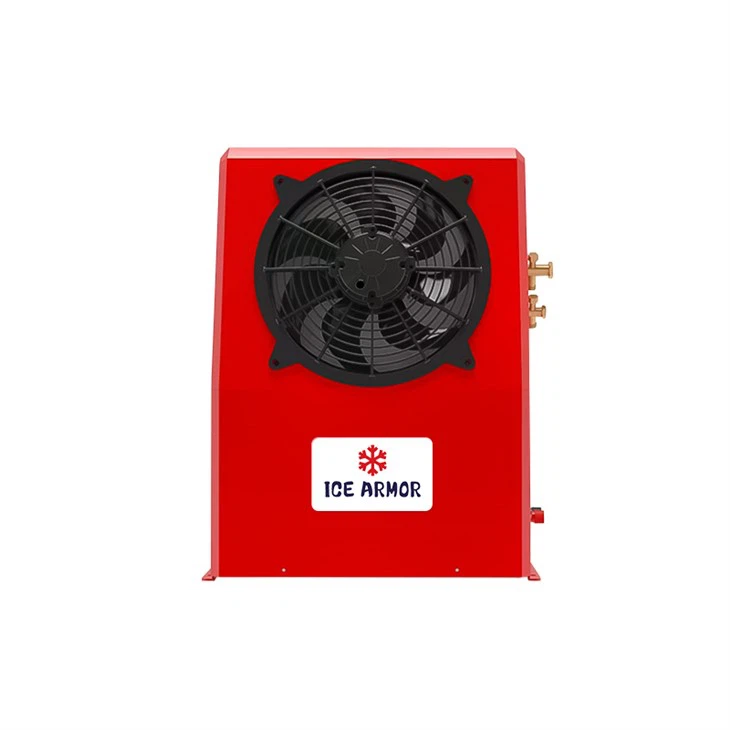
Our RV Air Condition units are designed to provide reliable cooling for recreational vehicles. They are built to withstand the rigors of travel and offer efficient performance even in challenging environments.
For those in need of a more heavy - duty solution, our Rooftop Air Conditioner is an excellent choice. These units are ideal for larger vehicles and provide powerful cooling capacity.

Contact Us for Procurement
If you're interested in purchasing car air conditioning products or have any questions about refrigerant quantities, we'd love to hear from you. Our team of experts is ready to assist you with your procurement needs. Whether you're a car owner looking for a replacement part or a business in the automotive industry seeking to stock up on supplies, we can provide you with high - quality products and excellent customer service.
References
- "Automotive Air Conditioning Service Manual" - Published by an industry - leading automotive service organization.
- Manufacturer's vehicle owner's manuals for various car makes and models.


