

As a supplier in the car air conditioning industry, I've witnessed firsthand the crucial role that every component plays in ensuring a comfortable driving experience. Among these components, the thermostat is a key player, acting as the brain behind the car air conditioner's temperature control. In this blog, I'll delve into the inner workings of a car air conditioner's thermostat, explaining how it functions and why it's so important.
The Basics of a Car Air Conditioner
Before we dive into the thermostat, let's briefly review how a car air conditioner works. The primary function of a car air conditioner is to remove heat and humidity from the air inside the vehicle, creating a cool and comfortable environment. This process involves several key components: the compressor, condenser, evaporator, and expansion valve.
The compressor is the heart of the air conditioning system. It compresses the refrigerant gas, raising its temperature and pressure. The high-pressure refrigerant then flows to the condenser, where it releases heat to the outside air and condenses into a liquid. The liquid refrigerant then passes through the expansion valve, which reduces its pressure and temperature. Finally, the low-pressure refrigerant enters the evaporator, where it absorbs heat from the air inside the vehicle, cooling it down.
The Role of the Thermostat
The thermostat is a device that monitors the temperature inside the vehicle and controls the operation of the air conditioning system accordingly. Its main function is to maintain a set temperature by turning the compressor on and off as needed. When the temperature inside the vehicle rises above the set temperature, the thermostat sends a signal to the compressor to turn on, initiating the cooling process. Once the temperature drops below the set temperature, the thermostat signals the compressor to turn off, preventing the air from becoming too cold.
How Does a Thermostat Work?
There are two main types of thermostats used in car air conditioners: mechanical and electronic.
Mechanical Thermostats
Mechanical thermostats are the older type of thermostat and are based on the principle of thermal expansion. They typically consist of a bimetallic strip, which is made up of two different metals bonded together. When the temperature changes, the two metals expand or contract at different rates, causing the bimetallic strip to bend. This bending motion is used to open or close an electrical switch, which controls the operation of the compressor.
For example, when the temperature inside the vehicle rises, the bimetallic strip bends in one direction, closing the switch and sending power to the compressor. As the temperature drops, the bimetallic strip bends in the opposite direction, opening the switch and cutting off power to the compressor.
Electronic Thermostats
Electronic thermostats are more modern and precise than mechanical thermostats. They use a temperature sensor, such as a thermistor, to measure the temperature inside the vehicle. The thermistor is a type of resistor whose resistance changes with temperature. As the temperature changes, the resistance of the thermistor changes, which is detected by an electronic control unit (ECU).
The ECU then compares the measured temperature to the set temperature and sends a signal to the compressor to turn on or off as needed. Electronic thermostats can be more accurate and responsive than mechanical thermostats, allowing for more precise temperature control.
Importance of a Properly Functioning Thermostat
A properly functioning thermostat is essential for the efficient operation of a car air conditioner. If the thermostat is not working correctly, it can lead to several problems:
- Inconsistent Temperature: A faulty thermostat may not accurately regulate the temperature inside the vehicle, causing the air to be too hot or too cold.
- Reduced Efficiency: If the compressor is constantly running or not running when it should be, it can lead to increased energy consumption and reduced efficiency.
- Component Damage: Over time, a malfunctioning thermostat can cause excessive wear and tear on the compressor and other components of the air conditioning system, leading to premature failure.
Our Product Offerings
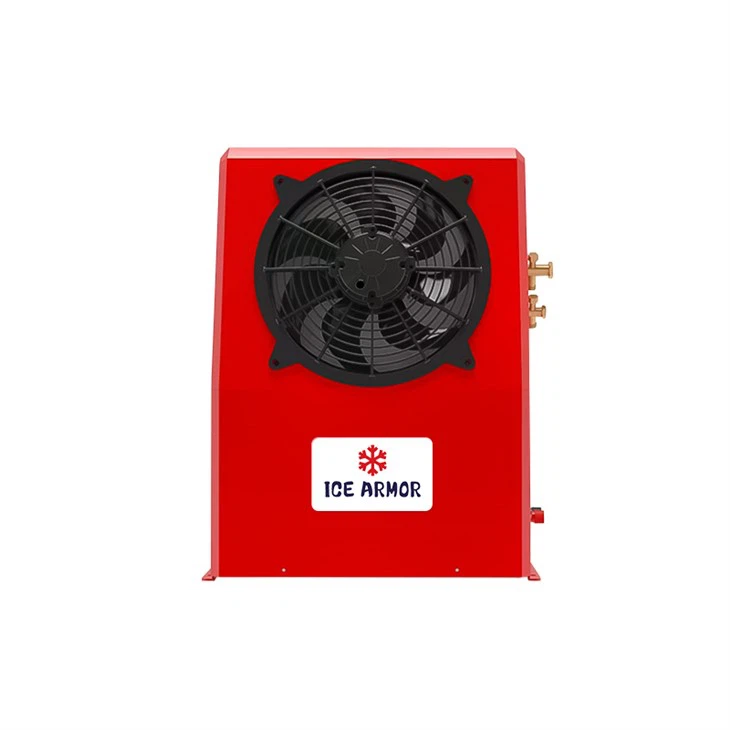
As a leading supplier of car air conditioning systems, we offer a wide range of high-quality thermostats for various vehicle types. Whether you're looking for a Vehicle Air Conditioner for a standard car, an RV Air Condition for a recreational vehicle, or a Rooftop Air Conditioner for a commercial vehicle, we have the right solution for you.
Our thermostats are designed to provide accurate temperature control and reliable performance, ensuring a comfortable driving experience for your customers. We use the latest technology and high-quality materials to manufacture our products, and we subject them to rigorous testing to ensure they meet or exceed industry standards.

Contact Us for Procurement
If you're in the market for car air conditioning thermostats or other related products, we'd love to hear from you. Our team of experts is ready to assist you with your procurement needs and provide you with the best solutions for your business. Whether you're a wholesaler, retailer, or automotive repair shop, we can offer you competitive prices, excellent customer service, and fast delivery.
Don't hesitate to contact us to discuss your requirements and start a partnership that will benefit both your business and your customers.
References
- Automotive Air Conditioning Manual, various editions
- Technical documents from leading air conditioning component manufacturers


