

As a leading supplier in the car air conditioning industry, I've had the privilege of witnessing the remarkable evolution of automotive climate control systems. One of the most crucial components in these systems is the car air condition thermostat. In this blog post, I'll delve into the inner workings of a car air condition thermostat, exploring its functions, types, and the role it plays in ensuring a comfortable driving experience.

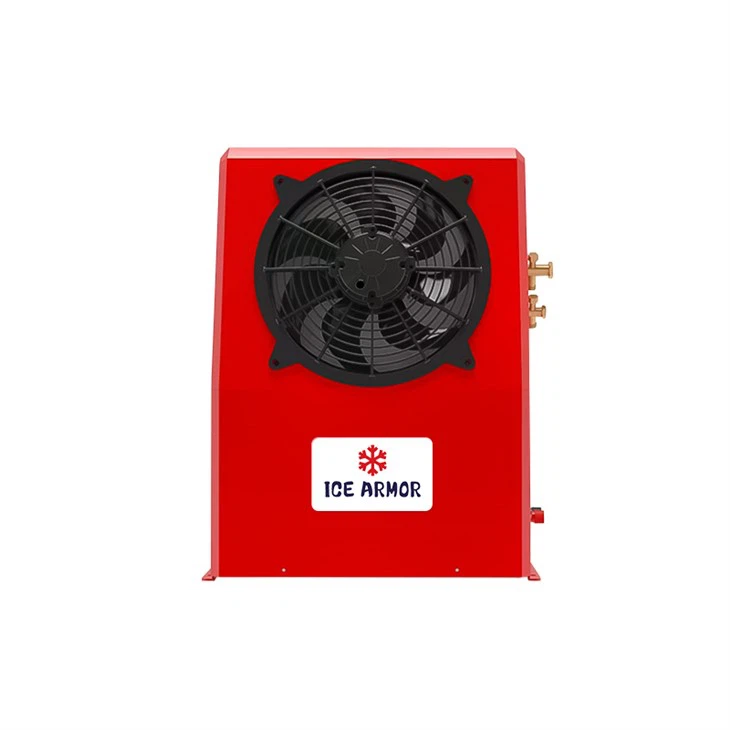
Understanding the Basics of a Car Air Condition Thermostat
At its core, a car air condition thermostat is a device that regulates the temperature of the air inside the vehicle. It acts as a control center, constantly monitoring the temperature and adjusting the operation of the air conditioning system accordingly. The primary goal of the thermostat is to maintain a consistent and comfortable temperature inside the car, regardless of the external conditions.
The thermostat achieves this by working in conjunction with other components of the air conditioning system, such as the compressor, condenser, evaporator, and expansion valve. When the temperature inside the car rises above the set point, the thermostat sends a signal to the compressor to start working. The compressor then pressurizes the refrigerant gas, which is then circulated through the system to absorb heat from the air inside the car. As the refrigerant cools down, it releases the heat outside the vehicle through the condenser.
Once the temperature inside the car reaches the set point, the thermostat sends another signal to the compressor to stop working. This cycle repeats itself continuously, ensuring that the temperature inside the car remains within the desired range.
Types of Car Air Condition Thermostats
There are two main types of car air condition thermostats: mechanical and electronic. Each type has its own advantages and disadvantages, and the choice between the two depends on several factors, such as the vehicle's make and model, the desired level of precision, and the budget.
Mechanical Thermostats
Mechanical thermostats are the traditional type of thermostats used in cars. They operate based on the principle of thermal expansion, which means that they use a bimetallic strip or a bellows to sense the temperature changes. When the temperature rises, the bimetallic strip or bellows expands, causing a switch to close and activate the compressor. When the temperature drops, the strip or bellows contracts, causing the switch to open and deactivate the compressor.
One of the main advantages of mechanical thermostats is their simplicity and reliability. They are relatively inexpensive and easy to install, making them a popular choice for older vehicles or budget-conscious consumers. However, mechanical thermostats are not as precise as electronic thermostats, and they may not be able to maintain a consistent temperature as accurately.
Electronic Thermostats
Electronic thermostats, on the other hand, use sensors and microprocessors to monitor the temperature and control the operation of the air conditioning system. They are more precise and accurate than mechanical thermostats, and they can maintain a consistent temperature within a few degrees of the set point.
Electronic thermostats also offer several advanced features, such as programmable settings, remote control, and digital displays. These features allow the driver to customize the temperature settings and monitor the performance of the air conditioning system more easily.
One of the main disadvantages of electronic thermostats is their higher cost. They are more complex and expensive to manufacture than mechanical thermostats, and they may require professional installation. However, the benefits of electronic thermostats, such as their precision and advanced features, make them a popular choice for modern vehicles and consumers who value comfort and convenience.
The Role of the Thermostat in the Overall Performance of the Car Air Conditioning System
The thermostat plays a crucial role in the overall performance of the car air conditioning system. It not only regulates the temperature inside the car but also helps to improve the efficiency of the system and reduce energy consumption.
By maintaining a consistent temperature, the thermostat prevents the compressor from running continuously, which can lead to increased wear and tear on the system and higher energy consumption. Instead, the compressor only runs when necessary, which helps to extend its lifespan and reduce the overall energy consumption of the air conditioning system.
In addition, the thermostat also helps to improve the comfort level inside the car by preventing sudden temperature changes. When the temperature inside the car reaches the set point, the thermostat sends a signal to the compressor to stop working, which allows the air inside the car to cool down gradually. This helps to prevent the feeling of being too cold or too hot, which can be uncomfortable for the passengers.
The Importance of Regular Maintenance and Replacement of the Car Air Condition Thermostat
Like any other component in the car, the air condition thermostat requires regular maintenance and replacement to ensure its optimal performance. Over time, the thermostat may become worn out or damaged, which can lead to inaccurate temperature readings and inefficient operation of the air conditioning system.
Regular maintenance of the thermostat includes cleaning the sensors and checking the wiring connections to ensure that they are secure and free from corrosion. It is also important to have the thermostat tested periodically to ensure that it is functioning properly.
If the thermostat is found to be defective or worn out, it should be replaced as soon as possible. A faulty thermostat can not only affect the performance of the air conditioning system but also lead to increased energy consumption and higher repair costs in the long run.
Conclusion
In conclusion, the car air condition thermostat is a crucial component in the automotive climate control system. It plays a vital role in regulating the temperature inside the car, improving the efficiency of the system, and ensuring a comfortable driving experience. By understanding how the thermostat works and the importance of regular maintenance and replacement, you can ensure that your car's air conditioning system operates at its best.
As a [Your Company Name] supplier, we offer a wide range of high-quality car air conditioning products, including Vehicle Air Conditioner, Rooftop Air Conditioner, and RV Air Condition. Our products are designed to meet the needs of different vehicles and applications, and we are committed to providing our customers with the best possible service and support.
If you are interested in learning more about our car air conditioning products or have any questions about the installation or maintenance of your air conditioning system, please do not hesitate to contact us. We would be happy to assist you with your needs and help you find the right solution for your vehicle.
References
- "Automotive Air Conditioning Systems" by John Tomczyk
- "How Stuff Works: Car Air Conditioning" by Marshall Brain
- "The Basics of Car Air Conditioning" by AutoZone


