

As a long - time supplier in the Car Air Condition industry, I've encountered numerous customers who are often at a crossroads when it comes to choosing between a belt - driven and an electric car air condition compressor. This decision isn't just about the immediate cost; it encompasses factors like efficiency, performance, and long - term viability. In this blog, I'll delve into the details to help you make an informed choice.
Understanding Belt - Driven Car Air Condition Compressors
Belt - driven compressors have been around for a long time and are a staple in many traditional vehicles. These compressors are directly connected to the engine via a belt. When the engine runs, the belt transfers power to the compressor, which then pressurizes the refrigerant in the air conditioning system.
One of the significant advantages of belt - driven compressors is their simplicity. They have a relatively straightforward design, which makes them easier to install and maintain. Mechanics who are familiar with traditional vehicle systems can quickly diagnose and repair issues with belt - driven compressors. This ease of maintenance can also result in lower repair costs over time.
In terms of performance, belt - driven compressors are generally well - suited for vehicles that operate under normal driving conditions. They can provide sufficient cooling power for most daily commutes and regular use. However, their performance is directly tied to the engine's speed. When the engine is idling or running at low speeds, the compressor may not operate at its full capacity, leading to reduced cooling efficiency.
Another aspect to consider is the power consumption. Since belt - driven compressors draw power directly from the engine, they can put an additional load on it. This extra load can lead to a slight decrease in fuel efficiency, especially in stop - and - go traffic or when the air conditioning is used intensively.
Exploring Electric Car Air Condition Compressors
Electric car air condition compressors, on the other hand, are a more modern innovation. These compressors are powered by the vehicle's electrical system, which can be either a battery in electric vehicles or an alternator in hybrid and some conventional vehicles.
One of the key benefits of electric compressors is their independence from the engine. They can operate regardless of the engine's speed, providing consistent cooling performance. This is particularly advantageous in electric and hybrid vehicles, where the engine may not be running all the time. For example, in an electric vehicle during regenerative braking or when the vehicle is stationary, the electric compressor can still keep the cabin cool.
Electric compressors are also more energy - efficient in many cases. They can be precisely controlled to match the cooling demand, reducing unnecessary power consumption. This efficiency can contribute to extending the range of electric vehicles, which is a crucial factor for many EV owners.
However, electric compressors come with their own set of challenges. They are generally more complex in design compared to belt - driven compressors. This complexity can make them more difficult to install and repair, and may require specialized knowledge and tools. Additionally, the initial cost of electric compressors is often higher than that of belt - driven ones.
Factors to Consider When Making a Choice
Vehicle Type
The type of vehicle you are equipping with an air conditioning compressor plays a significant role in your decision. For traditional gasoline - powered vehicles that are used for regular commuting and short trips, a belt - driven compressor may be a cost - effective and reliable choice. Their simplicity and familiarity make them a practical option for most conventional cars.
On the other hand, electric and hybrid vehicles are better suited for electric compressors. The ability to operate independently of the engine and the improved energy efficiency align well with the characteristics of these vehicles. For example, in an electric vehicle, an electric compressor can help optimize the use of battery power and enhance the overall driving experience.
Cooling Requirements
If you live in a hot climate or frequently use your vehicle in extreme heat, you may need a compressor that can provide high - performance cooling. Electric compressors are generally better at maintaining consistent cooling under such conditions, as they are not affected by engine speed. They can quickly cool down the cabin and keep it comfortable even in scorching temperatures.

For less demanding cooling needs, such as in milder climates or for occasional use of the air conditioning, a belt - driven compressor may be sufficient. It can still provide adequate cooling for normal driving situations without the need for the advanced features of an electric compressor.
Budget
Budget is always a crucial factor in any purchasing decision. Belt - driven compressors are typically more affordable upfront, making them an attractive option for cost - conscious customers. They also have lower maintenance costs in the short term, as they are easier to repair.
However, when considering the long - term costs, electric compressors may offer better value. Their energy efficiency can result in savings on fuel or electricity over time, especially in vehicles that are used frequently. Additionally, as technology advances and economies of scale come into play, the price gap between the two types of compressors may narrow in the future.
Environmental Impact
In today's environmentally - conscious world, the environmental impact of your choice is also important. Electric compressors are generally more eco - friendly, as they consume less energy and can contribute to reducing greenhouse gas emissions, especially in electric vehicles. They align with the trend towards more sustainable transportation solutions.
Belt - driven compressors, while still widely used, may have a slightly higher environmental footprint due to their impact on fuel efficiency. However, if they are properly maintained and used in a vehicle with good overall fuel economy, their environmental impact can be minimized.
Our Offerings as a Car Air Condition Supplier
At our company, we understand the importance of providing high - quality and suitable air conditioning solutions. We offer a wide range of both belt - driven and electric car air condition compressors to meet the diverse needs of our customers.
Our belt - driven compressors are sourced from trusted manufacturers and are known for their reliability and durability. They are designed to fit a variety of vehicle models and can provide efficient cooling for everyday use.
Our electric compressors, on the other hand, are at the forefront of technology. They are engineered to deliver superior performance and energy efficiency, making them an ideal choice for modern vehicles. Whether you are a car manufacturer looking to equip your vehicles with the latest air conditioning technology or a vehicle owner in need of a replacement compressor, we have the right product for you.
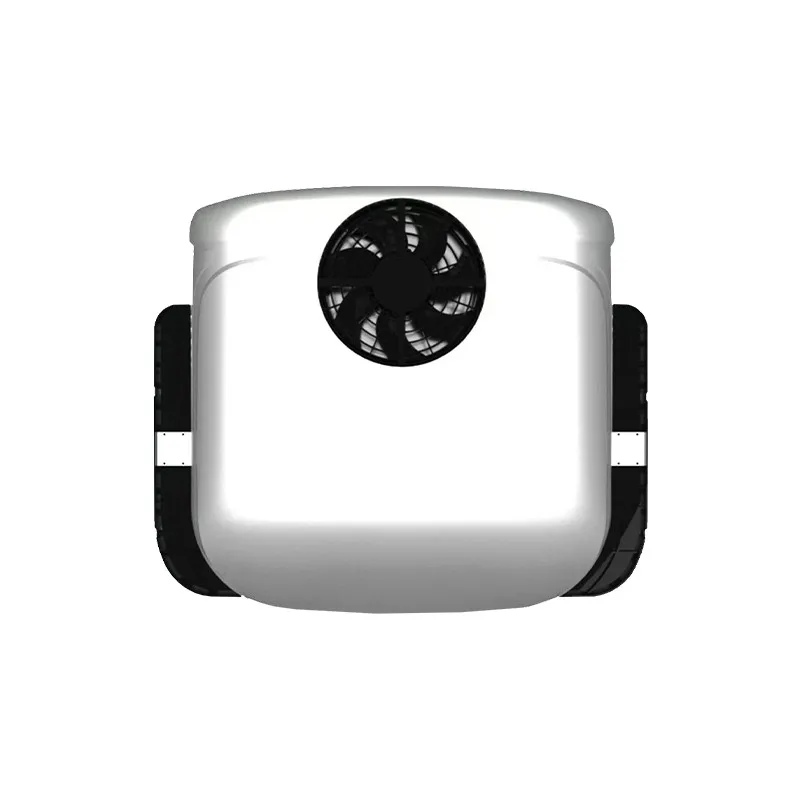
We also offer Rooftop Air Conditioner solutions for specific applications, such as RVs and commercial vehicles. These rooftop units are designed to provide powerful cooling in a compact and efficient package. If you are interested in our Car Air Condition products in general, or our specialized RV Air Condition solutions, we encourage you to get in touch with us.
Conclusion
Choosing between a belt - driven and an electric car air condition compressor is a decision that depends on multiple factors. Each type of compressor has its own advantages and disadvantages, and the right choice for you will depend on your vehicle type, cooling requirements, budget, and environmental concerns.
As a Car Air Condition supplier, we are committed to helping you make the best decision. Our team of experts can provide you with detailed information and advice to ensure that you select the compressor that meets your specific needs. If you are interested in learning more about our products or would like to discuss your requirements, please feel free to contact us for a procurement discussion. We look forward to serving you and helping you find the perfect air conditioning solution for your vehicle.
References
- SAE International. (20XX). "Automotive Air Conditioning Compressor Technology: A Review".
- Society of Automotive Engineers. (20XX). "Efficiency and Performance Analysis of Belt - Driven and Electric Air Conditioning Compressors in Vehicles".


