

When it comes to ensuring a comfortable environment inside your RV, the choice of an air conditioning system is crucial. One question that often arises among RV owners is, "Can I use a split - system air conditioner in my RV?" As a supplier of RV Air Condition, I'm here to provide you with a comprehensive answer to this question.
Understanding Split - System Air Conditioners
A split - system air conditioner consists of two main components: an indoor unit and an outdoor unit. The indoor unit, usually installed inside the living space, cools and dehumidifies the air. The outdoor unit, placed outside the building or vehicle, houses the compressor and condenser. This separation allows for more flexibility in installation and can potentially provide better cooling efficiency compared to some other types of air conditioners.
Advantages of Using a Split - System Air Conditioner in an RV
1. Improved Cooling Efficiency
Split - system air conditioners are known for their high energy efficiency. They can cool a space more effectively than some traditional RV air conditioners. The compressor in the outdoor unit can operate more efficiently because it is not exposed to the hot air inside the RV. This means that you can achieve a more comfortable temperature inside your RV while using less energy, which is especially important when you're on the road and relying on your RV's power supply.
2. Noise Reduction
Since the noisy compressor is located outside the RV, the indoor unit operates quietly. This can significantly enhance your comfort, especially during the night when you want a peaceful sleeping environment. You won't have to deal with the constant humming or rattling sounds that are often associated with rooftop air conditioners.
3. Flexibility in Installation
Split - system air conditioners offer more flexibility in terms of installation. You can choose the best location for the indoor unit based on your RV's layout and your personal preferences. This can help you achieve more even cooling throughout the RV, as you can direct the airflow to the areas that need it most.
Challenges of Using a Split - System Air Conditioner in an RV
1. Space Requirements
Both the indoor and outdoor units of a split - system air conditioner require space for installation. In an RV, space is often limited, and finding suitable locations for both units can be a challenge. The outdoor unit needs to be placed in a well - ventilated area, away from obstructions, and the indoor unit should be installed in a position that allows for proper airflow distribution.
2. Power Consumption
Although split - system air conditioners are generally energy - efficient, they still require a significant amount of power to operate. If your RV's electrical system is not properly sized or if you're relying on a generator with limited capacity, you may run into power issues. You need to ensure that your RV's electrical system can handle the load of the air conditioner, especially if you're using other electrical appliances simultaneously.
3. Installation Complexity
Installing a split - system air conditioner in an RV is more complex than installing a rooftop air conditioner. It involves running refrigerant lines, electrical wiring, and ensuring proper sealing to prevent air and moisture leakage. If the installation is not done correctly, it can lead to reduced cooling efficiency, refrigerant leaks, and other problems.
Alternatives to Split - System Air Conditioners for RVs
1. Rooftop Air Conditioner
Rooftop air conditioners are a popular choice for RVs. They are relatively easy to install and are designed specifically for use in RVs. Most rooftop air conditioners are self - contained units that can be mounted on the roof of the RV. They are available in different sizes and cooling capacities to suit various RV models.

2. Vehicle Air Conditioner
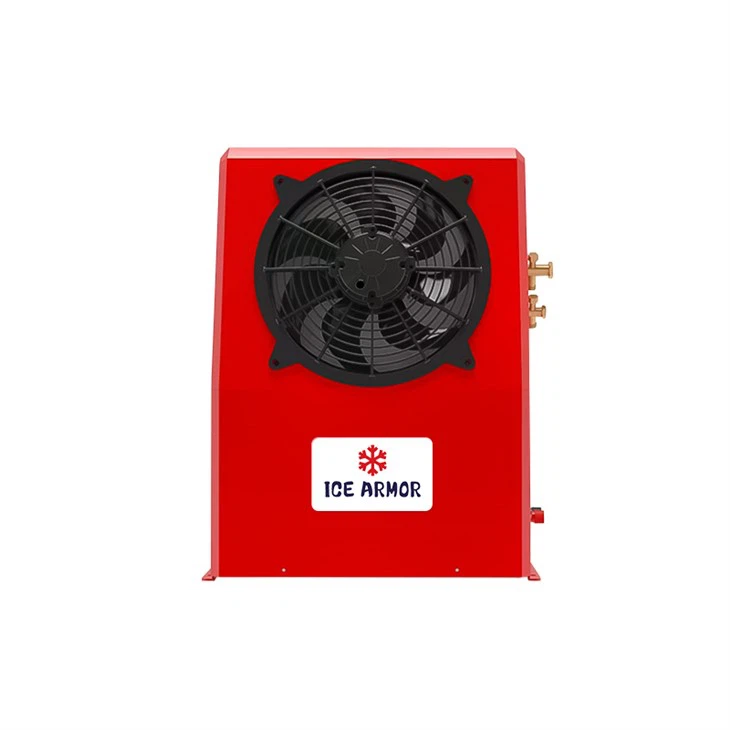
Some RVs come equipped with a vehicle air conditioner that is integrated with the RV's heating and ventilation system. These air conditioners are designed to cool the cab area of the RV while driving. While they may not provide sufficient cooling for the entire living space of the RV, they can be a convenient option for short trips or when you're on the move.
Considerations Before Making a Decision
1. RV Size and Layout
The size and layout of your RV will play a significant role in determining whether a split - system air conditioner is a suitable choice. If you have a large RV with ample space for installation and a well - designed electrical system, a split - system air conditioner may be a good option. However, if your RV is small or has limited space, you may need to consider alternative options.
2. Usage Patterns
Think about how you use your RV. If you spend most of your time parked at campsites with access to shore power, a split - system air conditioner may be a viable choice. On the other hand, if you're constantly on the move or rely on a generator for power, you may need to choose an air conditioner that is more energy - efficient and easier to operate with limited power resources.
3. Budget
The cost of a split - system air conditioner, including the unit itself and the installation, can be higher than that of other types of RV air conditioners. You need to consider your budget and determine whether the benefits of a split - system air conditioner justify the additional cost.
Conclusion
In conclusion, using a split - system air conditioner in an RV is possible, but it comes with its own set of advantages and challenges. While it offers improved cooling efficiency, noise reduction, and installation flexibility, it also requires careful consideration of space, power, and installation complexity. Before making a decision, it's important to evaluate your RV's specific needs, your usage patterns, and your budget.
As a supplier of RV Air Condition, we have a wide range of air conditioning solutions for RVs, including split - system air conditioners, rooftop air conditioners, and vehicle air conditioners. Our team of experts can help you choose the right air conditioner for your RV and provide professional installation services. If you're interested in learning more about our products or have any questions, please feel free to contact us for a procurement discussion. We look forward to helping you create a comfortable and enjoyable RV experience.
References
- ASHRAE Handbook - HVAC Systems and Equipment. American Society of Heating, Refrigerating and Air - Conditioning Engineers.
- RV Owner's Manuals. Various manufacturers.


